
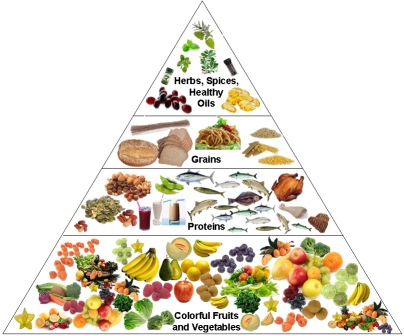
If you have been searching for anything about weight management, weight loss, or weight gain I’m sure you’ve come across macros. What are macros and why are they so important? Macros are types of nutrients. Nutrients are defined as substances used by an organism to survive, grow, and reproduce. Nutrients are then divided into two types of nutrients: macronutrients and micronutrients. The difference between the two is macronutrients are nutrients you need a lot of and micronutrients you don’t need that much. Granted we sometimes do need to get micronutrient supplements since we can still be deficient in them. Zinc, manganese, copper, boron, iron, molybdenum, and chlorine are micronutrients. The stars of this article are macronutrients. Macros are proteins, fats, and carbohydrates.
Protein – made of amino acids, proteins are often referred to as the building blocks. Protein is important in the building and maintenance of muscle, bone density, and hair health and is important to overall well-being. Protein can be found in meat and plants with varying concentrations. They are typically calculated in grams. We can say 150 grams of x food contains 20 grams of proteins. How much protein do you need in a day? A sedentary person only requires roughly 0.5 to 0.7 grams of protein per lb of body weight. For someone who trains, they t would require roughly .8 to 1 gram per pound of body weight depending on goals and how many times a week they work out. In its purest form, 1 gram of protein contains 4 calories.
Carbohydrates are made of sugar and provide the body with energy. Carbs are divided into simple carbs and complex carbs. Simple carbs are often believed to be unhealthy but in actuality, it depends on when and why they are taken. I will have an article on carbs shortly since they are the most misunderstood macronutrients. Carbs can also help with blood sugar levels. Carbs should be 45% to 60% of your daily caloric intake( link to my article for all you need to know regarding calories). In its purest form, 1 gram of carbs contains 4 calories. My last word on carbs is that they aren’t your enemies.
Fats are another energy source and help with general cell functions. There are multiple types of fats: unsaturated, saturated, and trans fats. You ideally want to stay away from trans fats. According to harvard.edu trans fats are known to raise bad cholesterol (LDL) and lower the good one (HDL). unsaturated fats are typically referred to as the healthy one, you can find them in canola oil, sunflower seeds peanut butter, fish, and avocados to name a few. Unsaturated fats have been proven to lower LDL and raise HDL. Daily intake of fats should account for 20 to 30 percent of your daily calories.
KEY TAKEAWAYS
- Macronutrients are important to healthy living and should be taken in great quantities
- All macros can be found in everyday foods such as meats and vegetables
- Proteins help with muscles, bones, and skin health
- Protein intake should be 0.5 to 0.7 grams per pound for sedentary people 0.8 to 1 gram per pound in active people
- We need carbs. They aren’t evil but should be taken strategically.
- Carbs should account for 45 to 60% of daily caloric intake
- Fats help with energy and cell functions
- Unsaturated fats are good, and trans fats are bad
- Fats should be 20 to 30 percent of daily caloric intake.
Don’t forget to like and share, if you found this article to be helpful. Be sure to subscribe, we are working on subscriber only content don’t miss it, it’ll be good!


 Everyday | Athletix
Leave a reply to Let’s Count Calories! – Everyday | Athletix Cancel reply